Define the stand-off distance first
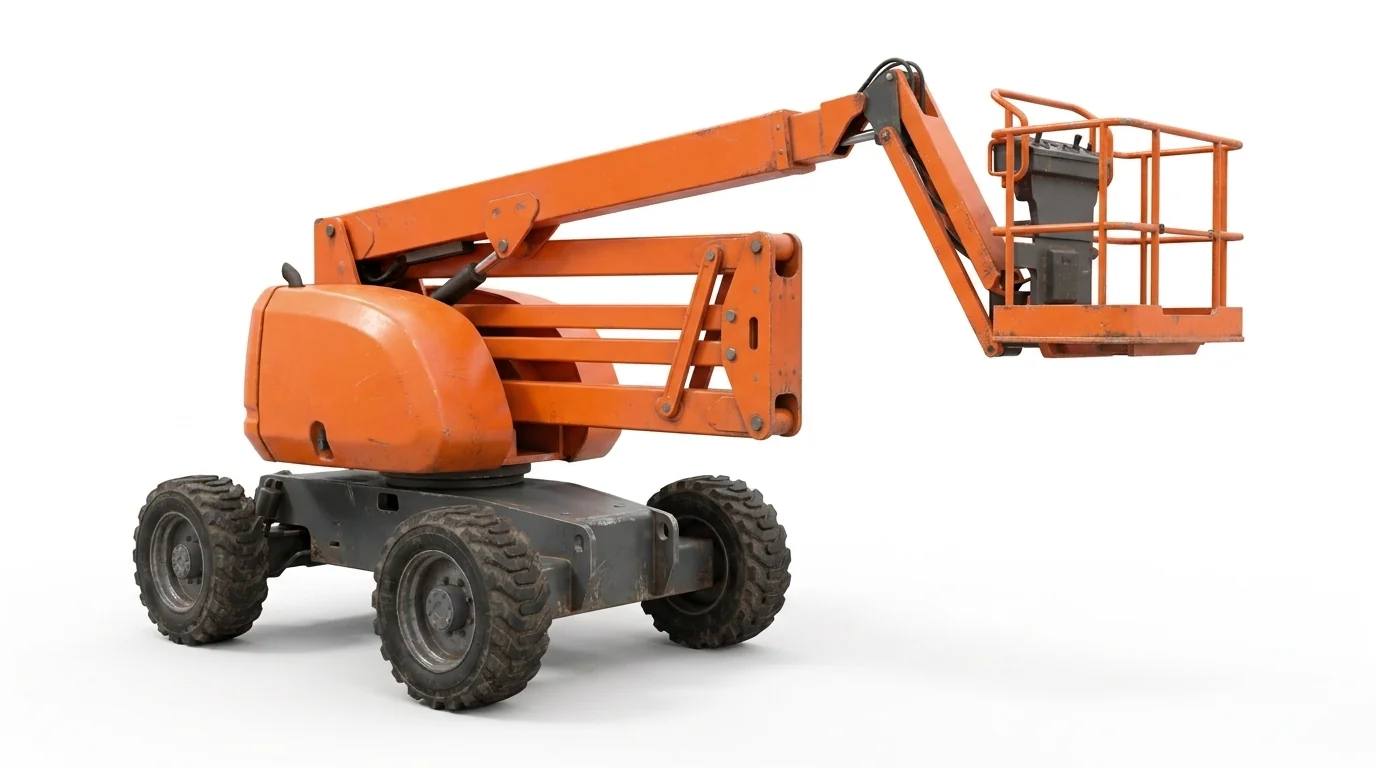
Telescopic booms excel when the machine can sit back from the asset and reach straight to the target. Measure: - Horizontal distance from the planned set position to the work point - Required working height at that distance - Any overhead constraints that limit boom extension
Surface and staging in local conditions
Open lots around industrial sites may include patched asphalt, compacted fill, or sloped grades near drainage swales. These influence allowable set positions and may require relocating to maintain the lift’s rated envelope. On calm days, long outreach is practical; in gusty conditions, plan for a shorter working window. Wet seasons can soften shoulders along access roads; confirm ground bearing capacity before planning a far stand-off.
Power type and exposure
For exterior envelope work—siding, signage, stack maintenance—diesel rough-terrain models are common due to traction and duty cycles. Electric straight booms can fit covered courtyards or semi-enclosed areas where exhaust is a concern, provided approach width and floor rating support them.
When a different lift is better
- Up-and-over around ducts or parapets: /articulating-boom-lift-rental/
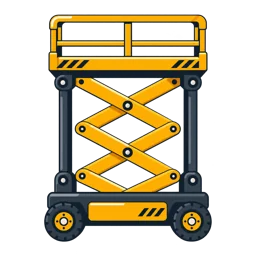
- Work straight above a smooth slab with frequent repositioning: /electric-scissor-lift-rental/
- Deck space for crews and materials on uneven exterior sites: /rough-terrain-scissor-lift-rental/
Planning checklist
- Verified stand-off zone free of overhead conflicts
- Ground profile from staging to set position
- Outreach at height vs. local wind exposure
- Ventilation and emissions constraints for semi-enclosed work
Actual conditions, the selected unit’s instructions, and site procedures govern elevated work.
Related categories
Explore other aerial options at /boom-lift-rental/ and /aerial-lift-rental/.