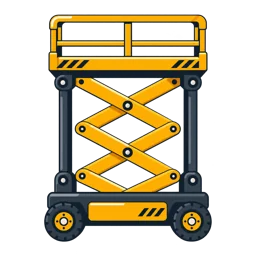
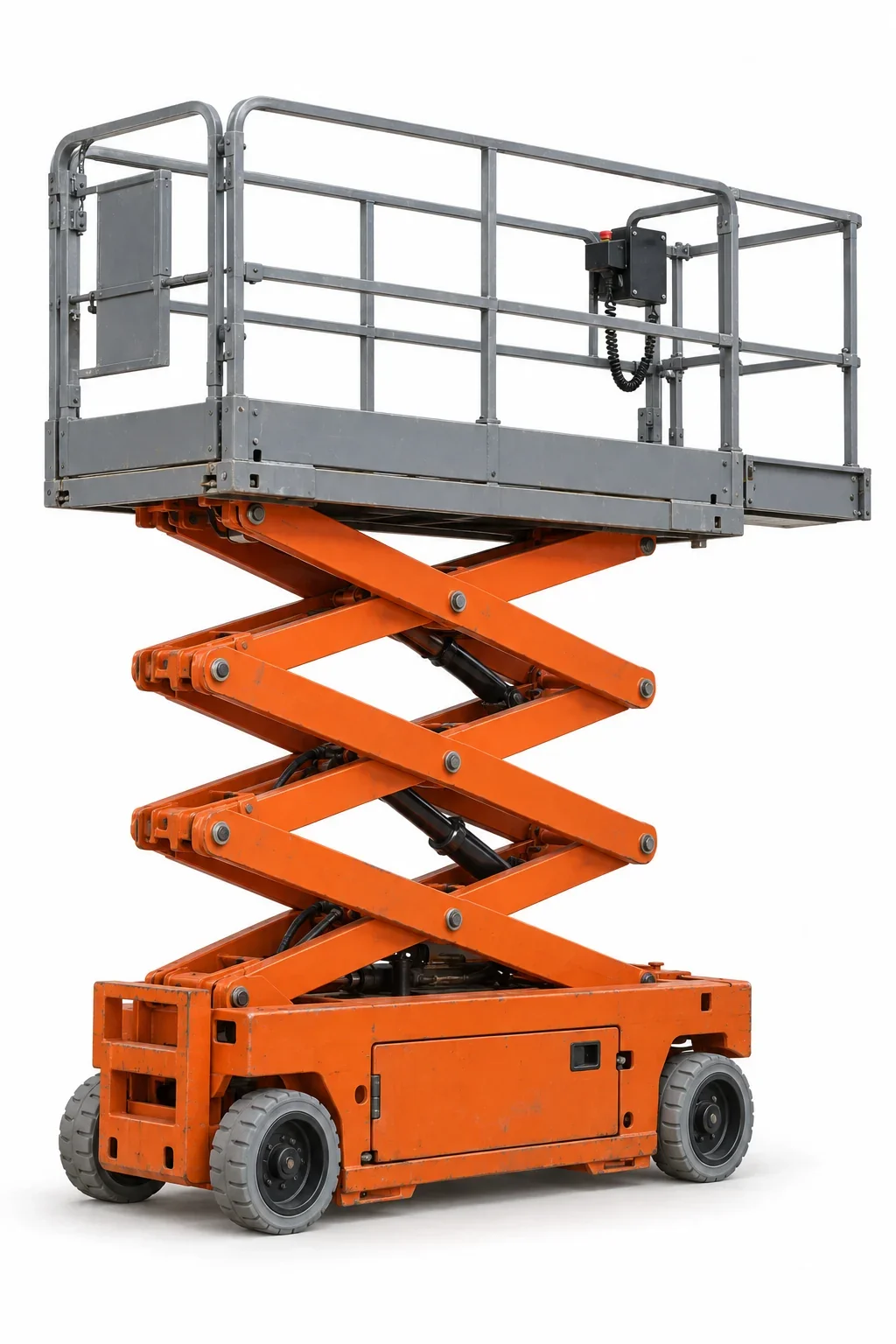
Fit the lift to the surface under the chassis
- Can the machine sit level and directly beneath the work face? Scissor lifts provide vertical access; if the task requires reaching over obstacles or across setbacks, compare booms at /boom-lift-rental/.
- Identify surface type: compacted stone, unfinished concrete, or mixed soils. Tire type, ground clearance, and weight distribution influence performance and surface pressure.
Dayton-specific site factors
- Seasonal precipitation can saturate travel lanes and staging areas, increasing sink risk on soft subbase.
- Drainage swales, frost-affected edges, and construction cut/fill transitions demand attention to approach angles and leveling capability.
Platform height, deck space, and staging
- Larger platforms accommodate cladding, glazing, or MEP tasks but require wider access paths from laydown to the work zone.
- Choose platform height with margin for tooling and edge details such as parapets or canopy lines.
Power source and duty profile
- Engine-driven units suit long outdoor shifts and frequent relocations. Where emissions sensitivity is a concern near occupied buildings, consider hybrid options or schedule around interior operations.
When the task exceeds vertical-only access
If the lift cannot position directly under the work due to setbacks, landscaping, or equipment, an articulating or telescopic boom at /boom-lift-rental/ provides horizontal outreach.
Related links
- Electric Scissor Lifts for interiors: /electric-scissor-lift-rental/
- Aerial Lifts Overview: /aerial-lift-rental/
- Boom Lifts: /boom-lift-rental/