Choose the boom type by obstacle pattern
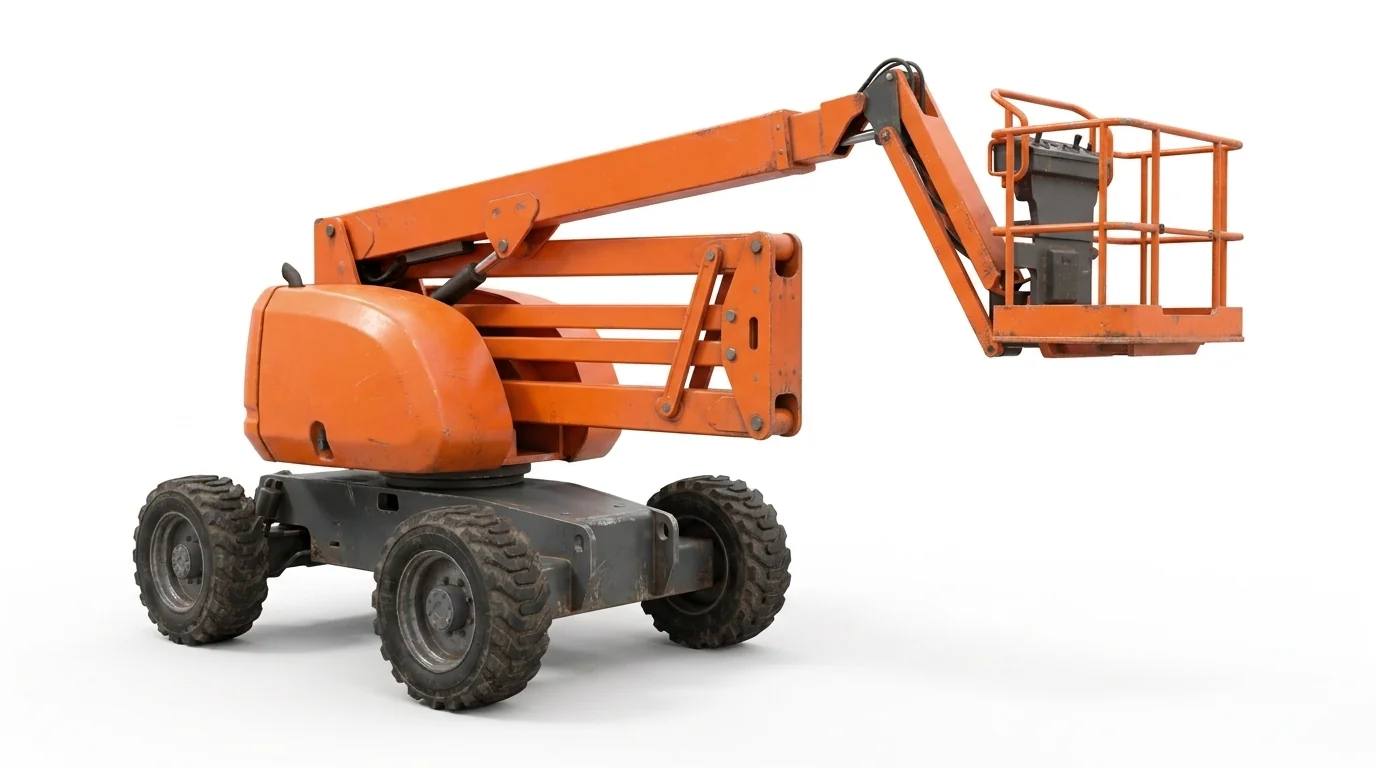
- Articulating booms: Jointed sections reach up and over conveyors, mezzanines, tanks, or façade features where approach is limited.
- Telescopic booms: Straight extensions deliver longer horizontal reach to remote roof lines, stacks, or lighting beyond setbacks.
Local terrain and climate inputs
- Exterior access may cross compacted stone, unfinished pads, or soft shoulders influenced by regional precipitation. Tire selection, ground clearance, and weight distribution affect staging options.
- Cold snaps can affect hydraulic warm-up and battery packs on hybrid units. Plan conservative duty cycles in winter.
Height, outreach, and footprint
- Confirm the required platform height and horizontal reach to minimize repositioning. Larger booms need more room to swing and set outriggers or stabilizing systems as specified by the unit design.
Indoors versus outdoors
- Interior work with obstacles but polished slabs may still favor narrow articulating models with electric power. Outdoors, engine-driven or hybrid units handle longer travel paths and variable ground.
When a scissor lift is better
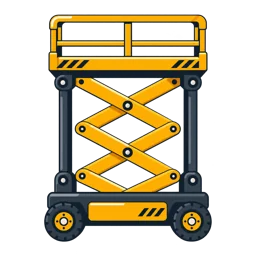
If the chassis can sit directly under the work with adequate clearance, a scissor lift from /electric-scissor-lift-rental/ or /rough-terrain-scissor-lift-rental/ can reduce complexity and footprint.
Related links
- Aerial Lifts Overview: /aerial-lift-rental/
- Electric Scissor Lifts: /electric-scissor-lift-rental/
- Rough-Terrain Scissor Lifts: /rough-terrain-scissor-lift-rental/