Start with the obstruction map
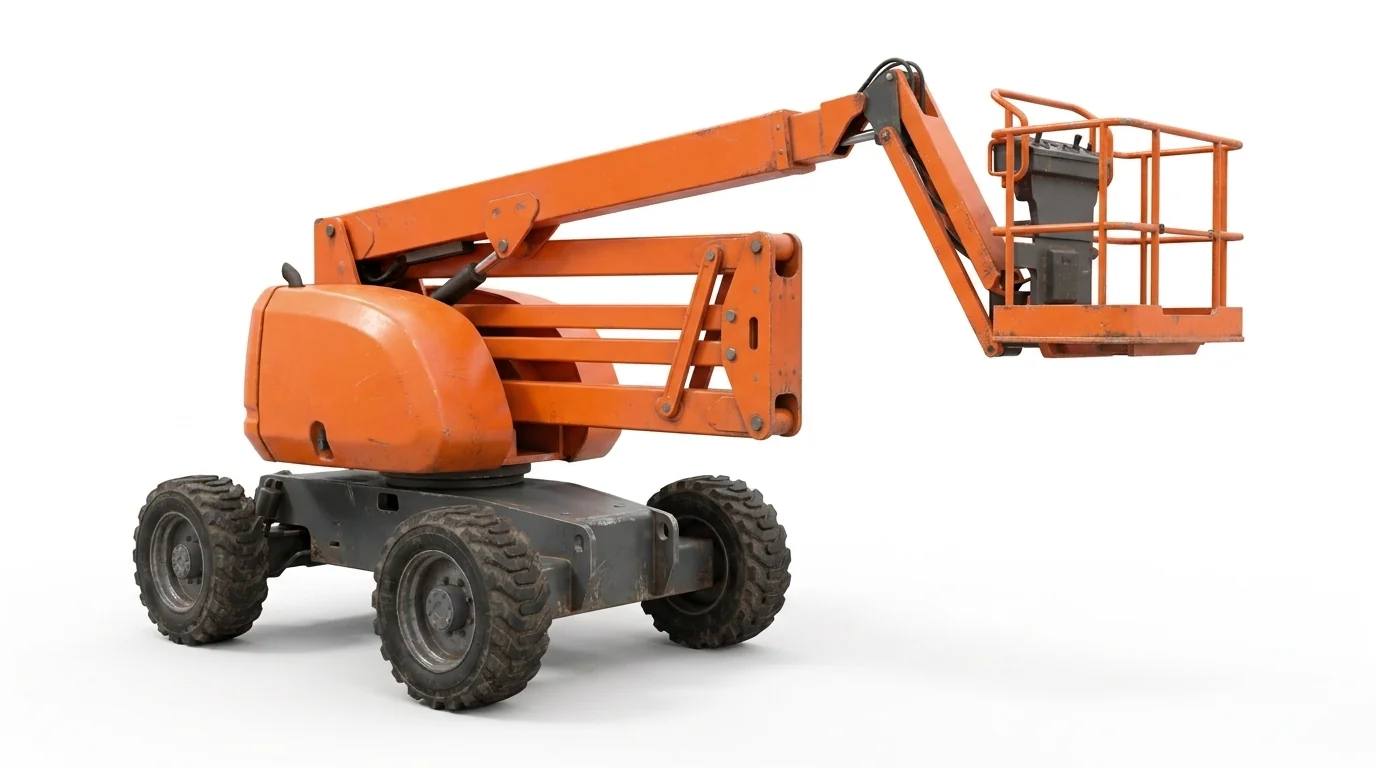
The first decision is whether the machine can sit below the task. If a straight line from ground to work point is blocked by racking, piping, or a canopy, an articulating boom’s knuckle joints create an up-and-over path. Measure: - Horizontal setback from the nearest machine position to the task - Height of the obstacle you must clear - Final working height and outreach needed once over the obstacle
Dayton surfaces and approach routes
Local distribution buildings often have smooth slabs inside and mixed asphalt-to-gravel transitions by loading areas. Joints, drains, and dock aprons affect tire contact and allowable ground pressure. On industrial sites, river valley soils and seasonal freeze-thaw can soften edges of staging areas. Those conditions influence whether a compact electric model can stay indoors or a rough-terrain unit with larger tires is better for exterior approaches to doors and canopies.
Power and emissions considerations
Where ventilation is limited—maintenance above production lines or in high-bay aisles—electric articulating booms avoid exhaust. For exterior work on facades or roof edges, rough-terrain units handle slope changes better. In regional temperature swings, battery performance can vary; plan for charge windows and staging space near power if using electric units during colder periods.
Platform positioning and envelope
An articulating boom’s value is placement flexibility. The key constraint is the working envelope: how high the primary boom rises before the jib must articulate, and how far the platform can move horizontally once elevated. Tight Dayton aisles and overhead utilities make side-to-side “jibing” around an obstruction more important than maximum straight reach.
When a different lift fits better
- Clear, long, exterior reaches: see /telescopic-boom-lift-rental/
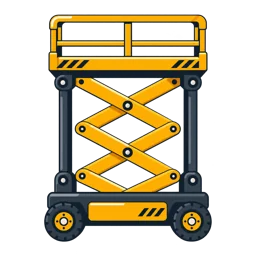
- Vertical work directly above a clean slab: see /electric-scissor-lift-rental/
- Uneven exterior slab edges or graded lots needing a deck: see /rough-terrain-scissor-lift-rental/
Planning checklist
- Can the machine sit inside the obstacle footprint or must it reach over it?
- Surface type from staging to final set position
- Ventilation limits vs. power source
- Required horizontal offset at working height
- Weather window and wind exposure at elevation
Actual conditions, the selected unit’s instructions, and site procedures govern elevated work.
Related categories
For other aerial options, visit /boom-lift-rental/ and /aerial-lift-rental/.