Map the load path before the lift plan
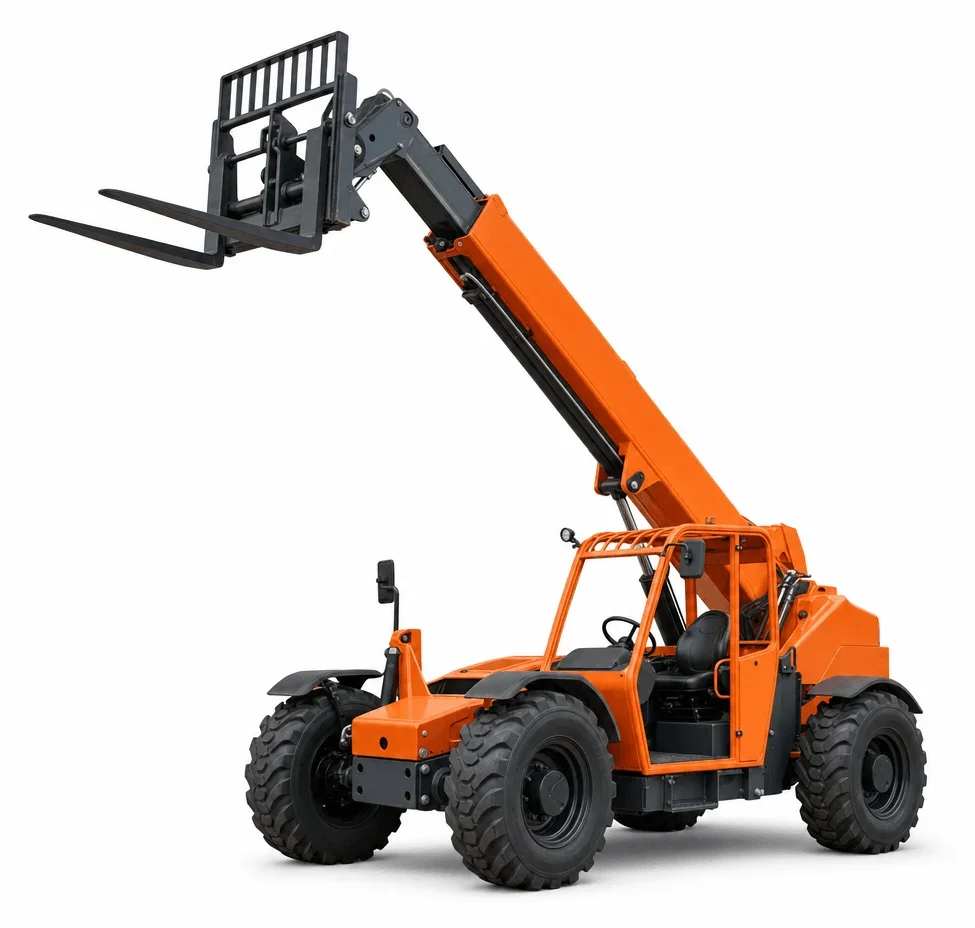
The right class depends on where the machine must travel and where the load must land. Identify: - Heaviest load and its center of gravity on the forks or attachment - Maximum placement height and reach from the machine’s wheels to the landing point - Narrow aisles, dock transitions, or grade changes along the route
Local terrain and stability
Around industrial sites, transitions from slab to gravel and curb cuts near loading areas introduce ruts and edges. After wet periods, shoulders and laydown yards can soften, affecting stability. Those conditions influence tire type, wheelbase, and whether a higher-capacity unit is selected to keep adequate reserve at longer reaches.
Visibility and placement control
Dayton’s mix of high-bay interiors and exterior staging means frequent blind-side placements onto platforms, mezzanines, or truck beds. Boom geometry, carriage side-shift, and frame leveling can improve placement accuracy. The needed accuracy at height often narrows the size class more than raw lift capacity.
Power, emissions, and indoor interface
If the machine must enter enclosed spaces briefly, consider ventilation limitations and door clearances. For extended indoor work, a smaller footprint material handler plus a /forklift-rental/ may split tasks more efficiently.
When another category fits
- Reaching people and tools to elevated work zones: /articulating-boom-lift-rental/ or /telescopic-boom-lift-rental/
- Pure pallet movement on smooth slabs: /forklift-rental/
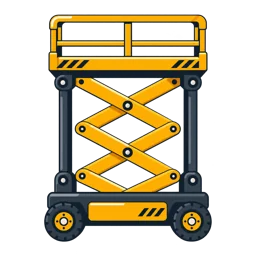
- Large work decks for crews on uneven exterior sites: /rough-terrain-scissor-lift-rental/
Planning checklist
- Load weight, dimensions, and center of gravity
- Placement height and horizontal offset
- Travel surface strength through seasonal conditions
- Door, aisle, and turning clearances
Actual conditions, the selected unit’s instructions, and site procedures govern material handling at height.